Best Camping Gear21 min read
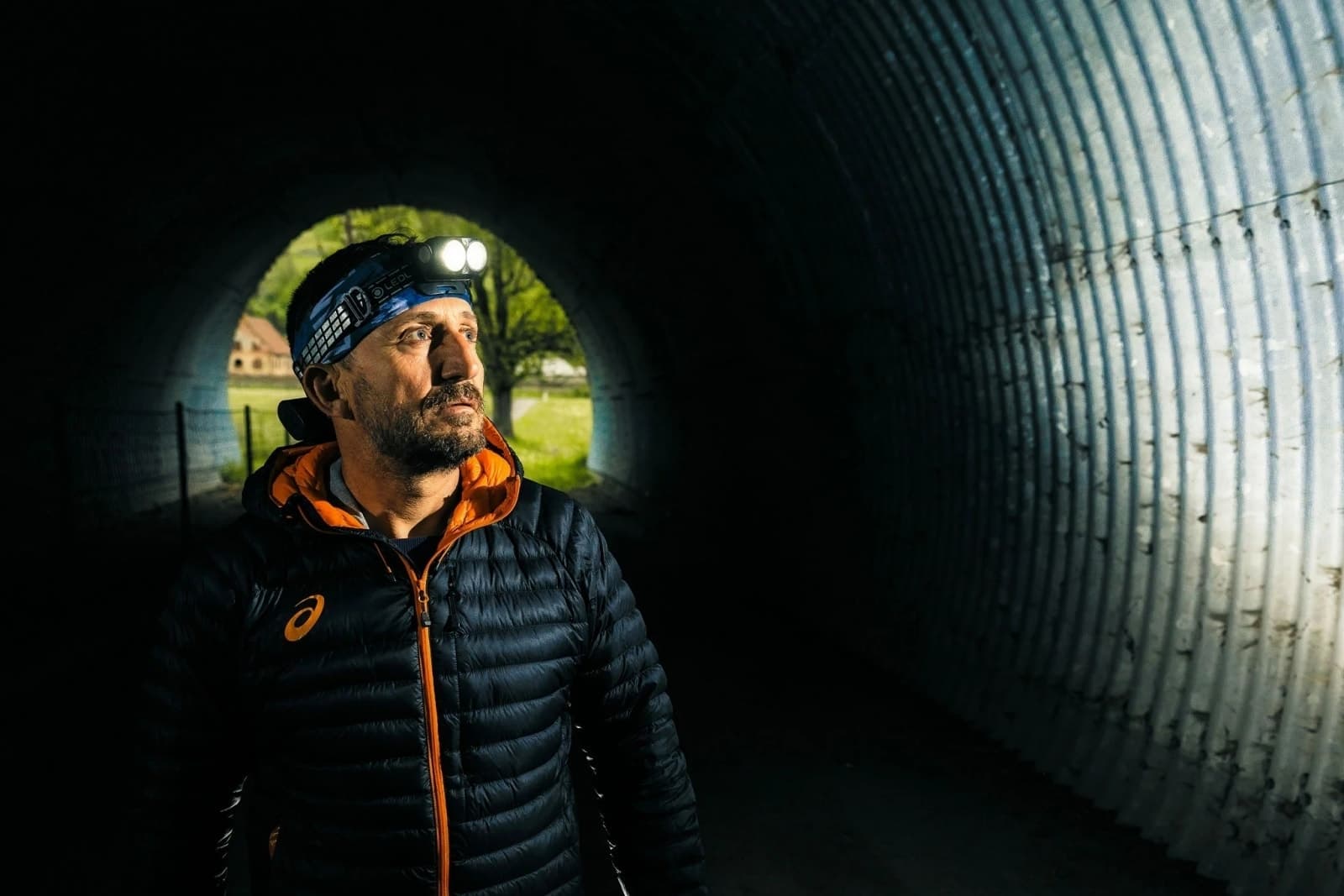
15 Best Headlamps for Hiking, Running, Camping & More
Black Diamond, Petzl, and Fenix are known for making great headlamps, and that showed up in our testing. They aren't the only ones that impressed us, though.

Nick Reed
TravelFreak Writer
What to Wear Hiking
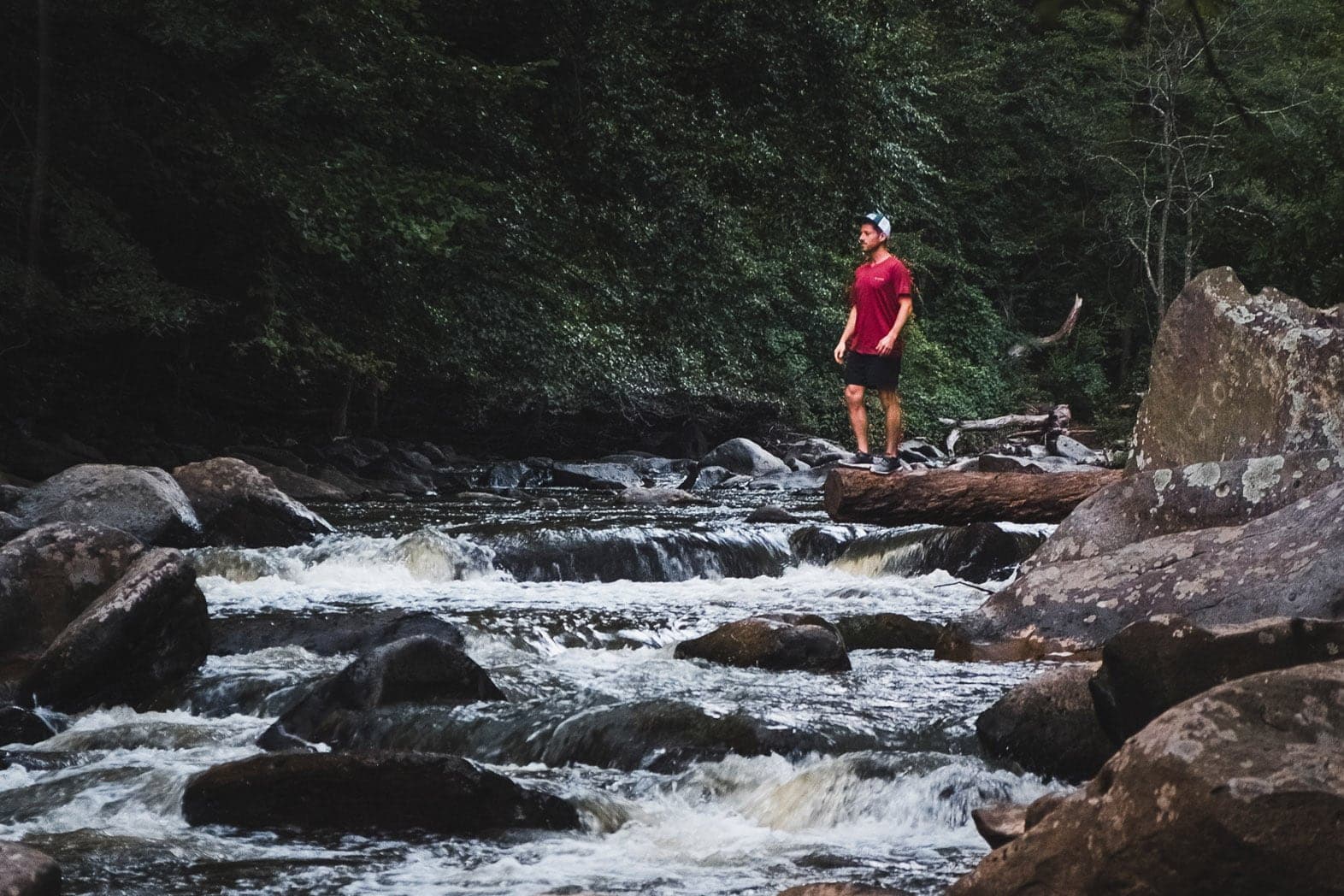
Choosing hiking clothing isn’t necessarily an easy task. There are thousands of products out there, and many different opinions on what makes the best hiking outfit. If you’re just getting started hiking, it can be intimidating knowing what to wear.
I’ve put in thousands of miles on trails all over the world, and I’ve learned that your choice of hiking gear and clothing can have a huge impact on whether your hike is an enjoyable adventure, or an uncomfortable, or even dangerous, ordeal. I’ve tested hiking attire and gear from several of the best outdoors brands and learned what works and what doesn’t.
There are several key pieces of outdoor apparel you should wear for hiking, from hiking shoes to base layers to insulating layers. Each piece of hiking apparel serves a specific purpose and needs to be lightweight, quick-drying, and comfortable.
I’ll walk you through all the key hiking essentials you’ll need to bring, help you understand the purpose of each, and recommend some awesome products I’ve found after years of testing different clothing on my own adventures.
The most common advice you’ll get when picking outdoor clothing is to wear layers. This means you’ll bring multiple pieces of clothing designed to wear over each other, and each one will have a very specific function. Here are the basic
The great thing about dressing in layers is that you can add or remove any layer at any time as your body heat or the weather changes. Starting to sweat on a big hill? Start pulling off layers. Thunderstorm rolling in? Throw on your shell.
Materials play a huge role in how well hiking clothes perform. Here are some of the most common materials you’ll see and what to expect from each of them.
This may sound obvious, but you need to take the climate and weather into account when you pick what to wear hiking. For summer hiking you may be in shorts, sandals, and a tank top, while cold-weather hiking requires more layers.
The most important thing in summer will be protecting yourself from the sun. I personally am a big fan of long-sleeve shirts and broad-brim hats on summer hikes. Find what works for you and make sure to use sunscreen anywhere that isn’t covered. Lighter colors also work much better at reflecting the heat.
In cold temperatures, layering becomes more important. You’ll still want a thin, wicking base layer next to your skin to keep you dry and comfortable. Over that you may wear an insulating jacket and waterproof shell.
It’s always a good idea to pack an extra layer or two for your hike. Even if the forecast looks warm and sunny, you should always be prepared for unexpected changes in the weather. I try to always carry at least a lightweight windproof jacket. Modern jackets are incredibly lightweight so you don’t need to worry about extra weight in your pack.
Polyester blends are often the best material to choose from when choosing base layers, but merino wool is the ultimate—it’s breathable, it will dry quickly and it helps to regulate your body temperature. Plus, merino is naturally anti-microbial, so it won’t get funky after a day on the trail.
The Icebreaker Tech Lite is a high-performance 100% merino wool t-shirt that is ultra-breathable, soft on your skin, and odor-resistant so you won’t smell too funky after a day on the trail.
Patagonia is one of the most well-known clothing brands in the outdoor community. They make a great range of hiking shirts and other clothing for outdoor activities.
The Capilene Cool Trail Shirt is a simple high-performance tee that uses recycled materials and advanced textile engineering to give you a breathable, wicking, odor-resistant shirt that is comfortable in all conditions.
Do I like wool more? Yes, but this is a close second, and it’s more durable and costs much less.
Hoodies are typically something you think of as cool-weather clothing, but I love having a hood in all conditions. Modern lightweight sun long-sleeve shirt hoodies like the REI Co-op Sahara Shade Hoodie give you the ultimate protection from the sun with a hood that can cover your neck and ears and thumb loops so you can cover your hands.
It’s made with super breathable polyester fabric to keep you comfortable in even the warmest weather.
I’ve found that I vastly prefer a sun hoodie to constantly reapplying sunscreen to my arms, neck, and ears. If you’re hiking in the heat, this is a great way to go.
Just fair warning, you may get some odd looks walking around in a hoodie in summer. It’s worth it though.
These 4.5-inch shorts are super lightweight, flexible, and breathable. They have a simple design that includes a webbing cinch belt, two front pockets, and a zippered back pocket that’s perfect for keys. These shorts are super versatile and work for anything from all-day hikes to paddleboarding to morning bike rides.
The best part of the River Shorts are their quick-dry ability. Whether you’re drenched in sweat from a strenuous hike or took a dip in a stream, these versatile shorts will be dry in no time.
Leggings or yoga pants are an awesome alternative to baggier hiking pants for women (and men too, if you’re confident enough). They are flexible and comfortable, and they don’t have any loose material to snag on rocks or branches.
The Outdoor Research Ferrosi Leggings are super comfortable and are designed specifically for more rugged outdoor activities. Instead of the flimsy polyester/spandex you usually see in leggings, these are made with a tougher ripstop nylon blend. It’s much more abrasion resistant but still has plenty of stretch. They're so good, they made our list of the best gifts for hikers.
Plus, the knees and bottom of these leggings are reinforced with a tougher Cordura material, so you don’t have to worry about them while scrambling over boulders in the trail.
The Stretch Zion Shorts from PrAna are awesome hiking shorts for men. They are made of durable, recycled materials with four-way stretch that offers a lot of comfort and flexibility on the trail.
The built-in cinch strap for the waist means you don’t have to wear a belt and have it bunch up awkwardly under a backpack hip belt.
Hiking pants need to be lightweight, breathable, durable, and most of all comfortable. KÜHL is a Utah-based company that builds some of the best hiking pants out there with utilitarian designs and bomber materials.
The KÜHL Free Radikl hiking pants are simple, straightforward, functional, and highly durable. There really isn’t anything super special here other than a pair of bomb-proof, comfortable hiking pants that work great for hiking.
If you’re looking for the simple reliability and water-resistance of a synthetic insulated jacket, the Patagonia Nano Puff is one of the most popular jackets to wear when hiking. It’s warm, lightweight, and packs into it’s own pocket when you aren’t using it.
The PrimaLoft Gold insulation used in the Nano Puff is one of the best synthetic insulations on the market. It has great warmth-to-weight ratio and is very compressible (though not quite as good as down).
This jacket is made from 100% recycled materials, so you can feel good about buying it.
A down jacket is one of the most iconic clothing layer for cooler hikes. Down is warm, lightweight, and packable, and a good down jacket will serve for years.
The Arc’teryx Cerium Hoody is an awesomely warm down jacket that won’t weigh you down (hah, down jokes!). I’ve found that the hooded design adds a lot of warmth for just a small weight penalty.
Fleece jackets are popular for their comfort, warmth-to-bulk ratio, and quick-drying properties. While I wouldn’t choose a fleece as my only layer for winter weather, it’s a great choice for spring and fall conditions.
The Cotopaxi Abrazo is a soft fleece jacket that’s made with 100% recycled polyester and is great for keeping you warm in variable conditions. It’s lightweight and comfortable, and the hood makes it easy to keep your neck and head warm. Plus, the color combos are just awesome.
The standard shell layer for hiking is a waterproof/breathable rain jacket. A good rain jacket combines lightweight water-repellant fabric outer layer with a fully waterproof membrane (like GORE-TEX) that keeps moisture out but lets water vapor and heat to escape from your body.
Arc’teryx builds some of the best waterproof shells on the market, and their Beta Jacket is an icon. It is lightweight, durable, amazingly waterproof, and surprisingly breathable. The three-layer construction gives this rain jacket excellent performance.
The downer? It’s a bit expensive, and you’ll definitely have to look at it as an investment.
If you know there won’t be any rain, and the weather’s a bit warmer, a lightweight windbreaker can be a great shell layer option, especially if you’re moving fast and want to cut down on weight.
The Patagonia Houdini Air Jacket offers protection from wind and light rain with a tight-weave nylon shell and a water-repellant coating.
I would carry this on spring or fall hikes in the desert, when I know it won’t rain but want some protection from wind. In mountain areas, though, I think it’s always a good idea to be prepared for precipitation.
The best part is that it weighs a scant 4 oz and packs down super small, so it’s super easy to bring this windbreaker with you on any hike.
I’m a big fan of packing an ultralight waterproof jacket even when the forecast is dry. The Montbell Versalite is a fully waterproof jacket using GORE-TEX INFINIUM. Somehow, it weighs in at just 6 oz. This is one of the lightest fully waterproof rain jackets on the market.
When considering what to wear hiking, weight is a major factor. This featherweight rain jacket keeps you prepared without weighing you down.
This windproof rain jacket not only works for blocking out precipitation, but it will also protect you from biting wind. If you want a bit more protection than a windbreaker but don’t want the bulk and weight of most waterproof shells, a lightweight rain jacket like this can be a great choice for your next hiking trip.
I typically don’t wear rain pants while hiking (they end up making me too hot and clammy), but in cold, constantly wet conditions, like December in the PNW, good waterproof pants can do a lot for keeping you comfortable.
The Mountain Hardwear Stretch Ozonic Pants are absolutely my favorite rain pants because they don’t have that baggy, crinkly feeling you usually get with waterproof clothing. They’re made with a soft four-way stretch material that feels comfortable and flexible while still keeping you dry during all-day deluges.
Once again, merino wool is king. The natural breathability, wicking, and anti-microbial properties make this fiber a god-send for hikers. Smartwool makes some of the best merino wool underwear for men and women. They blend high-quality merino with synthetic fibers to improve durability, support, and moisture wicking.
If you already have a good sports bra that you like, it should work just fine for hiking, but you’ll want to avoid anything with bulky straps or buckles that could rub or cause pressure points under a backpack.
The Icebreaker Sprite Bra is a popular choice. The Merino fabric is super breathable and comfortable, and the racerback design means you don’t have to worry about straps sliding around under your backpack.
If you’re ready to join the revolution of hiking in lightweight trail runners, the Altra Lone Peak 9 is one of the best choices out there. For years it’s been the most popular shoe on long thru-hikes like the Apalachian Trail and Pacific Crest Trail, and for good reason.
The Lone Peak has a roomy toe box, giving your feet space to spread and swell as you hike. The balanced cushioning protects the bottoms of your feet without feeling overly bulky. These trail runner hiking shoes are awesomely comfortable on longer hikes.
Altra has struggled with durability in the past, but I’ve found this newest version of the Lone Peak holds up pretty well over hundreds of miles of hiking.
If you prefer something a bit more supportive, you may want to wear hiking boots. Unlike the chunky, uncomfortable boots of the past, modern hiking boots are light, grippy, and comfortable while still providing the beefed-up protection of a boot design.
Keen makes some of the best hiking boots in the business, and their Targhee 3 hiking boot is an icon in the outdoor world. This trail-tamer features burly leather construction, a grippy outsole, a waterproof/breathable membrane, and loads of support and protection.
The best features of Keen hiking boots are the wide, comfortable toe box and the sturdy rubber toe protection. You can kick rocks down the trail all day and not bust your toes. The biggest advantage of hiking boots over hiking shoes is the protection, and these really deliver on that front.
Yes, you can hike in sandals.
No, that doesn’t automatically make you a hippie.
Yes, it’s awesome.
For those who like to hike with free toes, Chaco’s are the official sandal of all trail bums. The Chaco Z/Cloud sandal feels like wearing a burly hiking boot under your foot and nothing on top. They’re super grippy and super durable.
Please, just make sure to watch out for rocks and sticks on the trail. Your toes will thank you! If you’re going into rougher terrain, you may want to stick with closed-toe hiking shoes.
For most hiking clothing, you’ll probably be just fine wearing clothes you already own. Socks are the one exception. Without good socks, a pleasant hike can quickly turn into a torture event. Seriously, it’s that important.
Having dealt with hundreds of blisters over the years, I can tell you they’re something you want to avoid. Good socks are your first line of defense.
What should you look for in hiking socks?
First of all, the material. I said it before and I’ll say it again—wool is where it’s at. Cotton socks are a big no-no, synthetic socks are okay, but merino wool socks are the best. Period.
Second of all, good hiking socks should cushion your feet. The seams should always be flat so they don’t rub against your foot and the fit should be snug but not tight.
By this point, the outdoor community is in (almost) universal agreement that the best socks in the world are made in Vermont by Darn Tough. They’re expensive, but they are also awesomely comfortable and durable. Plus, they have an incredible warranty. If you ever wear a hole in a Darn Tough sock, send your old pair back and they’ll send you a new one for free. Just don’t lose them!
I love broad brim hats. Sure, they look a little dorky, but when you’re on a hike, that matters a hell of a lot less than that sunburn that’ll turn into skin cancer in twenty years.
If anyone asks me what to wear hiking, one of my first answers is a good hat (socks might be the only hiking clothing that’s more important). A hat will protect you from sunburn, heatstroke, and help you stay hydrated.
The Outdoor Research Sunbriolet is an awesome wide-brimmed hat that’s lightweight and offer great sweat management and sun coverage. And hey, it doesn’t look half bad either.
Again, sun protection is key when you’re outside all day, and sunglasses are a must. I’ve forgotten sunglasses and burned my eyes many times, and trust me, that’s not something you want to experience.
Pretty much any old sunglasses will do. Nowadays, even dollar store glasses have ultraviolet protection, which is the most important thing you need.
If you want to invest a bit more you can get features like polarized lenses and contrast-enhancing optics. I personally wouldn’t ever spend a lot of money on sunglasses for hiking, because they’re very likely to get scratched, cracked, or lost.
Goodr makes a range of great polarized sunglasses that are quite affordable. They are designed specifically for running and hiking, so they won’t fall of your face. Plus, they are stylish and don’t make you look like an alien bug.
If you’re hiking at higher elevations or in cold weather conditions, it’s a great idea to bring a pair of lightweight gloves to keep your fingers warm through those chilly mornings.
The Mammut Stretch Glove is a simple thin glove that’s perfect for spring and fall hikes. It definitely won’t keep you warm in true winter, but it’s just enough for those September mornings in the mountains.
On really short hikes, you can probably get by just carrying a water bottle in your hand. Most of the time, though, you’re going to want a daypack to carry water, food, and gear.
While you can use just any old backpack, if you’re going to be on the hiking trails a lot, it may be worth investing in a purpose-built backpack to wear hiking. And please, PLEASE, don’t wear one of those stupid drawstring bags.
The Osprey Talon for men and Tempest for women are some of the best all-around hiking backpacks out there. They have comfortable shoulder straps, supportive frame sheets and hip belts, and a breathable design to keep your back ventilated.
As a Manchester City fan, he made it his mission to catch matches at legendary stadiums from Camp Nou to the Etihad. But Nick's travels go beyond football. He's explored 20+ countries across Europe, Africa, and the Caribbean, always chasing authentic experiences over tourist traps. Nick lives by a simple rule: the best stories come from saying yes to the unexpected. And TravelFreak is his biggest yes yet.
Black Diamond, Petzl, and Fenix are known for making great headlamps, and that showed up in our testing. They aren't the only ones that impressed us, though.
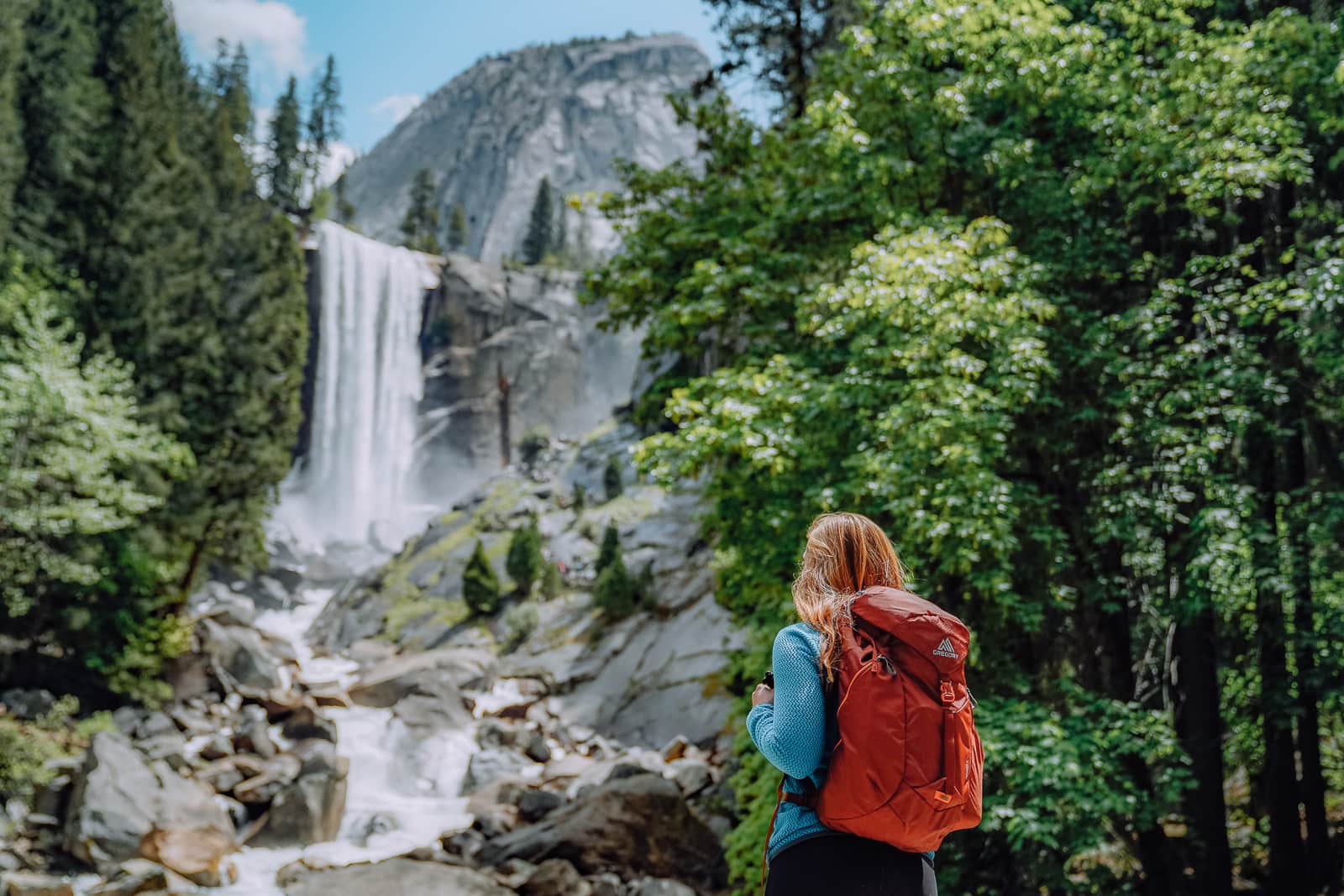
A hiking backpack is more than just a bag to carry your stuff. It needs to be a comfortable extension of your body that makes long hikes enjoyable.
From Unbound Merino to Darn Tough, these top merino wool brands deliver the absolute best performance from this amazing fiber.