Packing Tips14 min read
Is a Backpack A Carry-On?
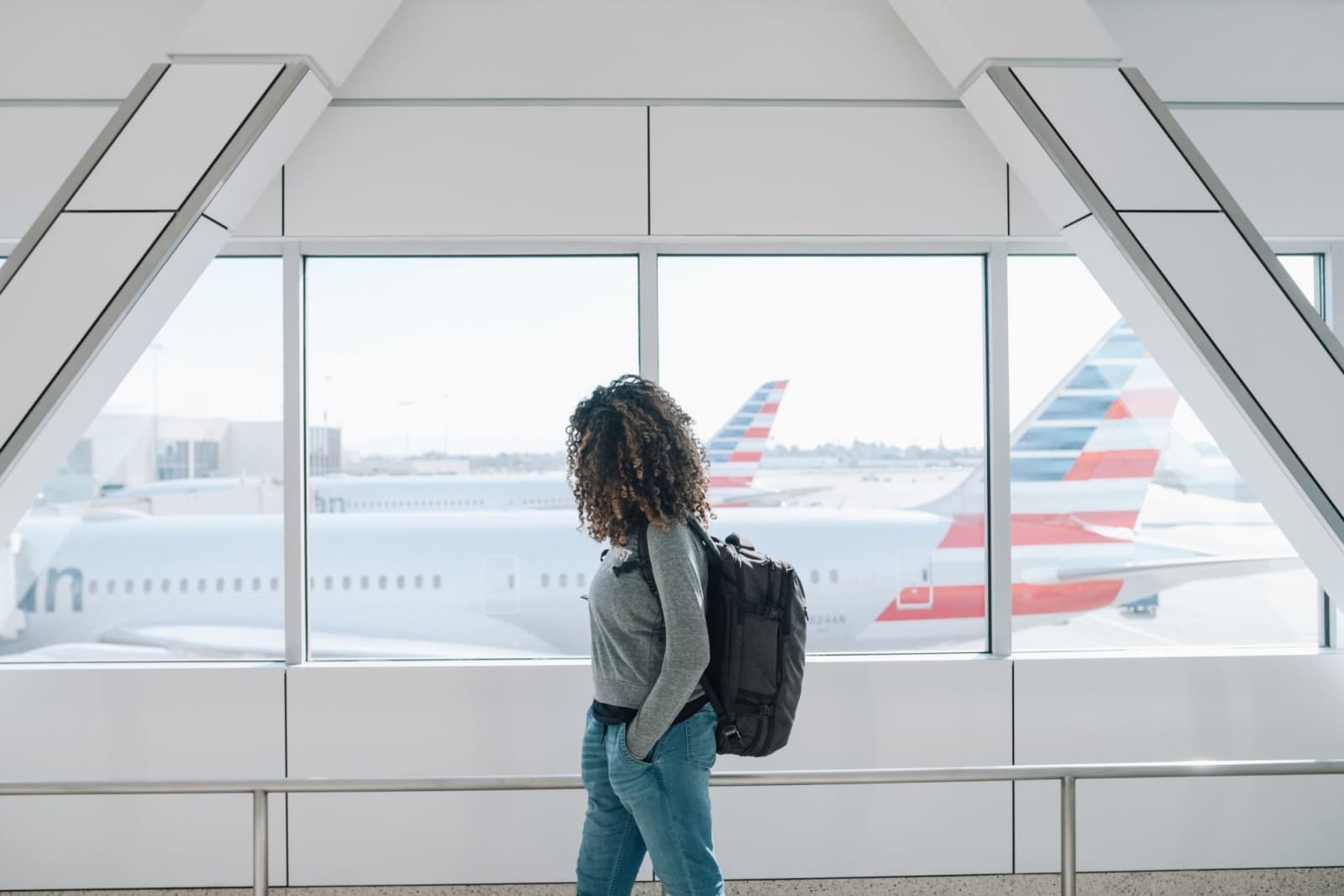
A backpack can be a carry-on, a personal item, or checked luggage. It all depends on the size.

Nick Reed
TravelFreak Writer
How To Measure Luggage
Measuring luggage is actually pretty straightforward, but you are going to need something to measure with (crazy, I know). A tape measure is the best option, but a yardstick will also do the trick.
And hey, if all you have is a dinky six-inch Care Bear ruler, you can make do with that. Remember the trick of measuring six inches, marking the spot with your finger, and measuring again from there? It’s not exact, but it’ll do the job.
In addition to some sort of measuring device, it’s handy to measure in an area with a hard floor next to a wall (we’ll get into this later).
I also recommend using a book, clipboard, or some other flat surface to make sure you get an accurate measurement.
If you want to weigh your luggage (which is a great idea), you’ll also need some sort of scale. A normal bathroom scale works well, but a luggage scale is cheap, compact, and easier to use. If you travel a lot, it might be a good thing to have.
If you want to get really fancy, Samsonite has a two-in-one tape measure/luggage scale combo. It’s pretty nerdy, but I’ll admit that I want one.

The first thing you need to do is find the luggage size and weight restrictions for carry-on and checked luggage for the airline(s) you’ll be flying with. That’s as easy as Googling “[fill in your airline] luggage size restrictions.”
For example, if I Google “Frontier luggage size restrictions” the first result is a convenient FAQ page that shows Frontier’s size and weight limits.
It’s also helpful to understand the different types of luggage you are allowed to bring. Most airlines allow each passenger one personal item, one carry-on bag, and multiple checked bags.
Your personal item is a small bag or purse that can fit under the seat in front of you. I like using a personal item to keep electronics, books, snacks, and anything else I want close at hand while flying.
Personal item size limits will vary by airline, but the most common size is 18 inches high, 14 inches wide, and 8 inches deep.
Of course, if you bring a personal item carry-on that’s the max size, that means you won’t have any space to stretch out your feet.
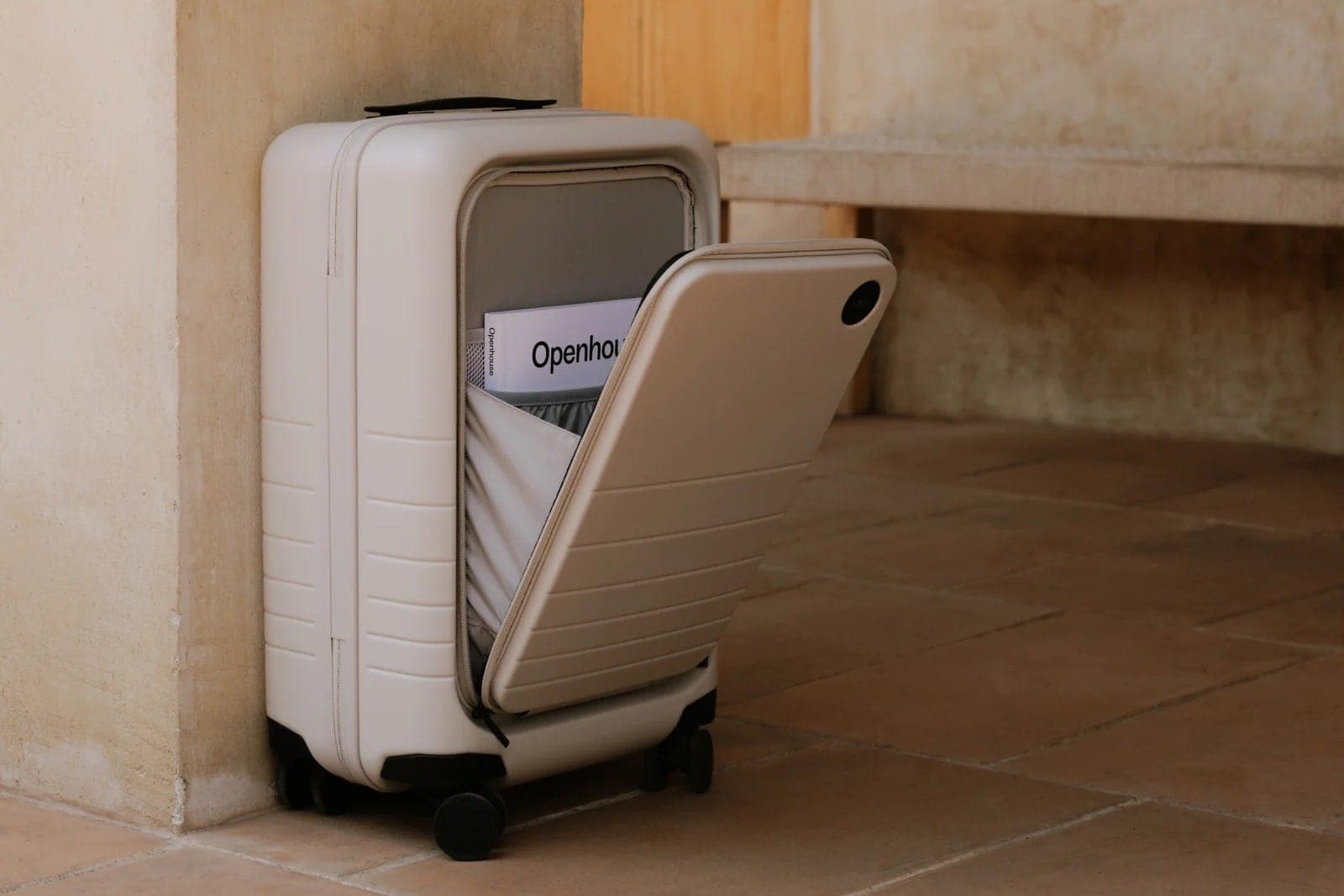
Carry-on luggage will fit in the overhead bin on the airplane, so the exact luggage measurements are pretty important. If your bag is too big, it just won’t fit, and there’s not a lot of wiggle room. With carry-on baggage, it’s even more important to measure luggage precisely.
Carry-on size limits vary from one airline to the next, but the standard limit is 22 inches tall, 14 inches long, and 9 inches deep.
It’s important to note that carry-on limits for luggage for international travel are a bit different, with the standard carry-on luggage measurements for most international airlines being 21.5 inches x 15.5 inches x 9 inches.
Checked baggage is measured a little differently from carry-on bags. Instead of having maximum limits for the height, width, and depth, airline checked luggage size limits use what they call “linear inches,” which just means adding the overall dimensions together.
Most airlines limit checked bags to 62 linear inches (157 cm). Luckily, this covers most checked luggage you can buy, which will come with a height of anywhere from 26″ to 30″. The other dimensions are a combination of the inches remaining.

When you’re ready to measure luggage size, the first information you’ll want to get is the height, width, and depth of your suitcase. These three numbers are the most important luggage measurements you’ll use to see if your luggage will fit.
I recommend measuring luggage after it’s fully packed (as full as you’ll have it on your trip. You want to be as accurate as possible, and having a fully packed bag means you’ll be measuring luggage that will be the same size when you head to the airport.
This is especially important for measuring flexible softside suitcases and duffel bags. These more flexible bags can flex, bulge, and expand somewhat when you have them fully packed, so you want to make sure you know the real maximum size.
Ideally, you’ll find an area in your home that has a hard floor surface next to a wall. Wheels count in total luggage size, and they’ll sink into carpet, meaning you won’t get an accurate measurement. Hard floors are the place to be.
Set your suitcase upright on its wheels, and back it up next to the wall. This will give you something straight to measure against.
We’re finally to the part you’ve been waiting for: actually how to measure luggage size. This is where you’ll need to grab your tape measure (or yardstick) and a book.
The easiest way I’ve found to accurately measure the height of your suitcase is to place a book on top of the tallest point (including the handles) and hold it level (doesn’t need to be super precise, just make sure it looks flat).
To measure duffel bags, make sure you don’t push down too hard on the book, as that can squish your bag and give you an inaccurate luggage measurement.
Once you’ve got the book on top, you can use your tape measure or yardstick to measure the distance from the floor to the book. Using the book means you don’t have to eyeball a measurement from out to the side and can get a more accurate number.
Once you’ve measured the height, flip your bag onto its side, and use the book and tape measure method again to measure from the floor to the highest point. This will be the width.
Then, flip your suitcase flat on its back. Use the same method one last time to measure from the ground to the highest point. This will be the depth.
Some airlines will use different words than height, width, and depth. Some may call the width the length. Some may call the depth the width. Some may call the height the length.
In the end, it doesn’t matter. Just look at the numbers and make sure your suitcase dimensions are smaller than the airline restriction dimensions.
For example, if an airline says you need a bag that’s smaller than 24 inches long, 10 inches wide, and 16 inches tall, you’ll be totally fine if your bag measures 22 inches tall, 16 inches wide, and 10 inches deep.
When in doubt, ignore the words and look at the numbers.

Not only do you need to make sure your suitcases fit within luggage size limits; you also need to check weight restrictions. Having a bag that’s over the maximum weight can lead to additional checked luggage fees or being forced to check your carry-on (also expensive). That’s why it’s important to figure out what your bag weighs ahead of time.
Again, the first step is to figure out what the weight limit is. The easiest way is just to Google “[fill in your airline] luggage weight limits” or read our comprehensive guide to carry-on weight limits.
Typical limits are 50 lbs for checked bags, and anywhere from 15 to 35 lbs for carry-on luggage.
Once you know the weight limit, you can weigh your suitcase (fully packed, of course), to see if it fits.
The easiest way to check if your bag is under the weight limit is to use a luggage scale. These simple devices have a hook that goes through your suitcase handle.
If you don’t have a luggage scale, a normal bathroom scale works just fine for measuring luggage weight.
Most likely, you’ll just be able to set your suitcase on the scale (probably sideways) and read the weight.
If your suitcase won’t fit on the scale (or covers up the numbers) you can use this old trick:
 Okay, let’s say you’ve gone through the whole process to measure luggage dimensions, weigh luggage, and check the airline size and weight limits, but now you’ve got a problem: your bag is too big or weighs too much.
You still have a few options, and it’s going to depend on whether your oversize/overweight baggage is a carry-on or checked bag.
Okay, let’s say you’ve gone through the whole process to measure luggage dimensions, weigh luggage, and check the airline size and weight limits, but now you’ve got a problem: your bag is too big or weighs too much.
You still have a few options, and it’s going to depend on whether your oversize/overweight baggage is a carry-on or checked bag.
As a Manchester City fan, he made it his mission to catch matches at legendary stadiums from Camp Nou to the Etihad. But Nick's travels go beyond football. He's explored 20+ countries across Europe, Africa, and the Caribbean, always chasing authentic experiences over tourist traps. Nick lives by a simple rule: the best stories come from saying yes to the unexpected. And TravelFreak is his biggest yes yet.
A backpack can be a carry-on, a personal item, or checked luggage. It all depends on the size.
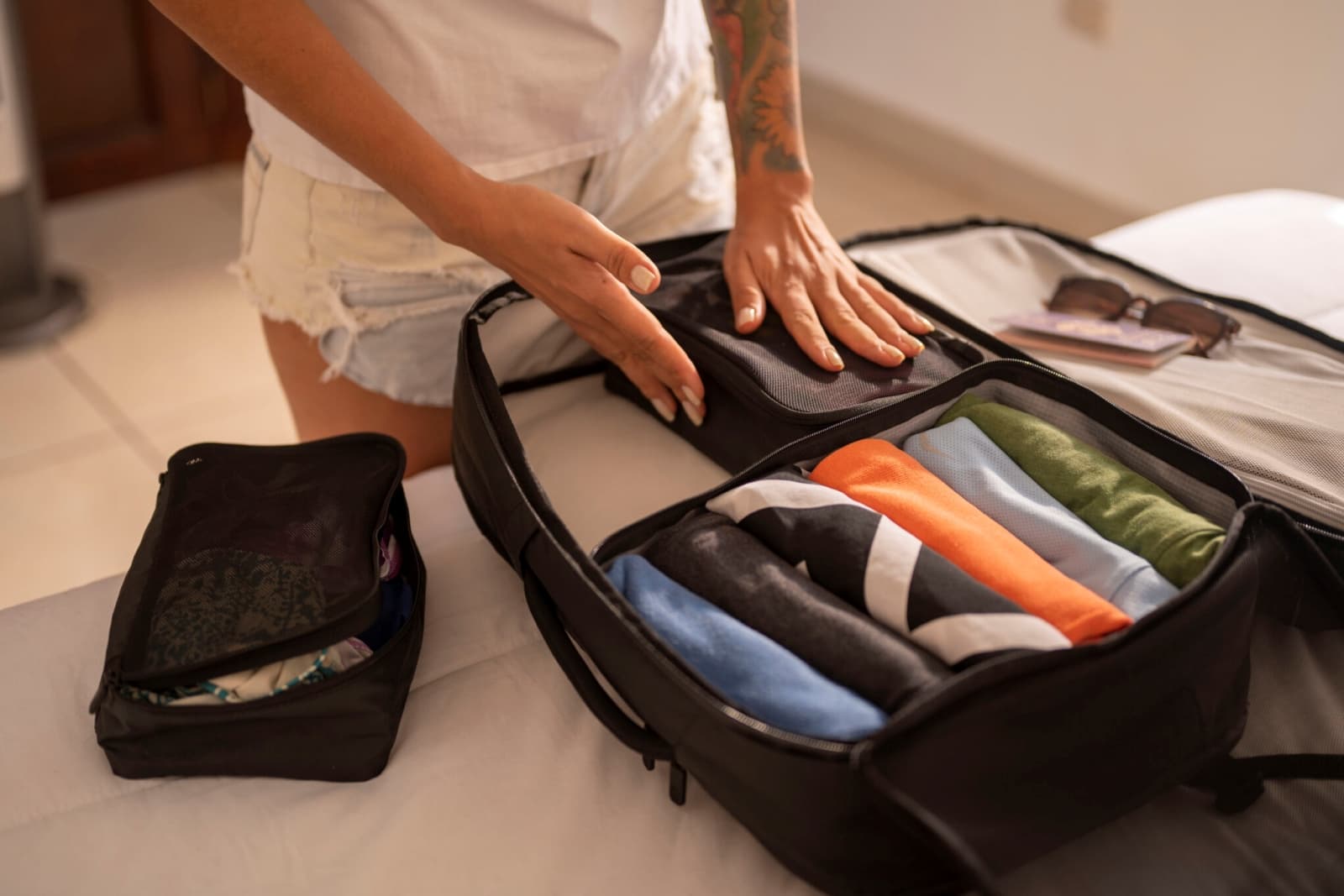
Use proven strategies to pack efficiently and travel stress-free. Learn expert tips on using packing cubes, choosing the right luggage, and more.
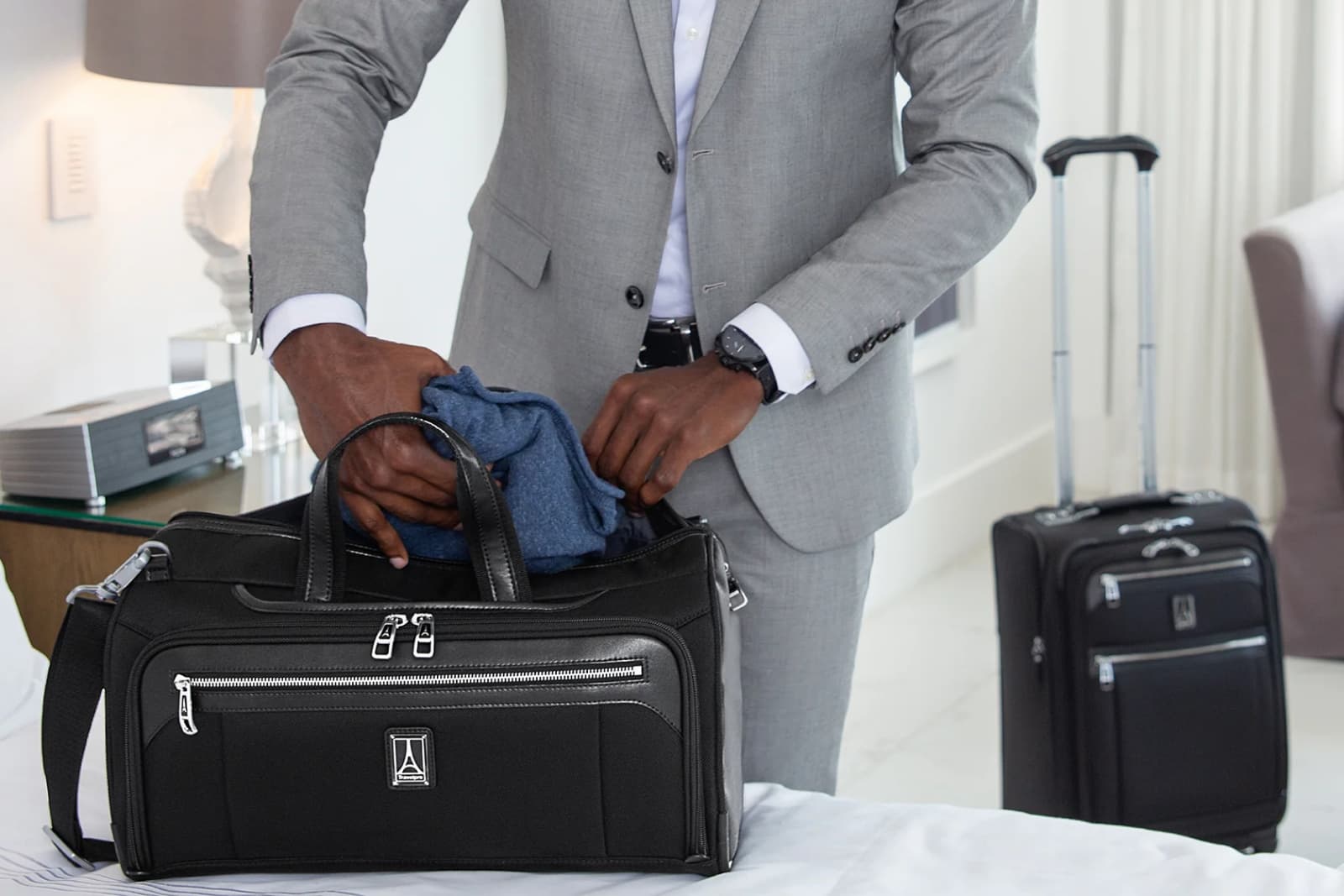
Carry-on luggage gets stowed away in the overhead compartment, while a personal item is a smaller bag that stays under the seat in front of you.