Packing Tips14 min read
Is a Backpack A Carry-On?
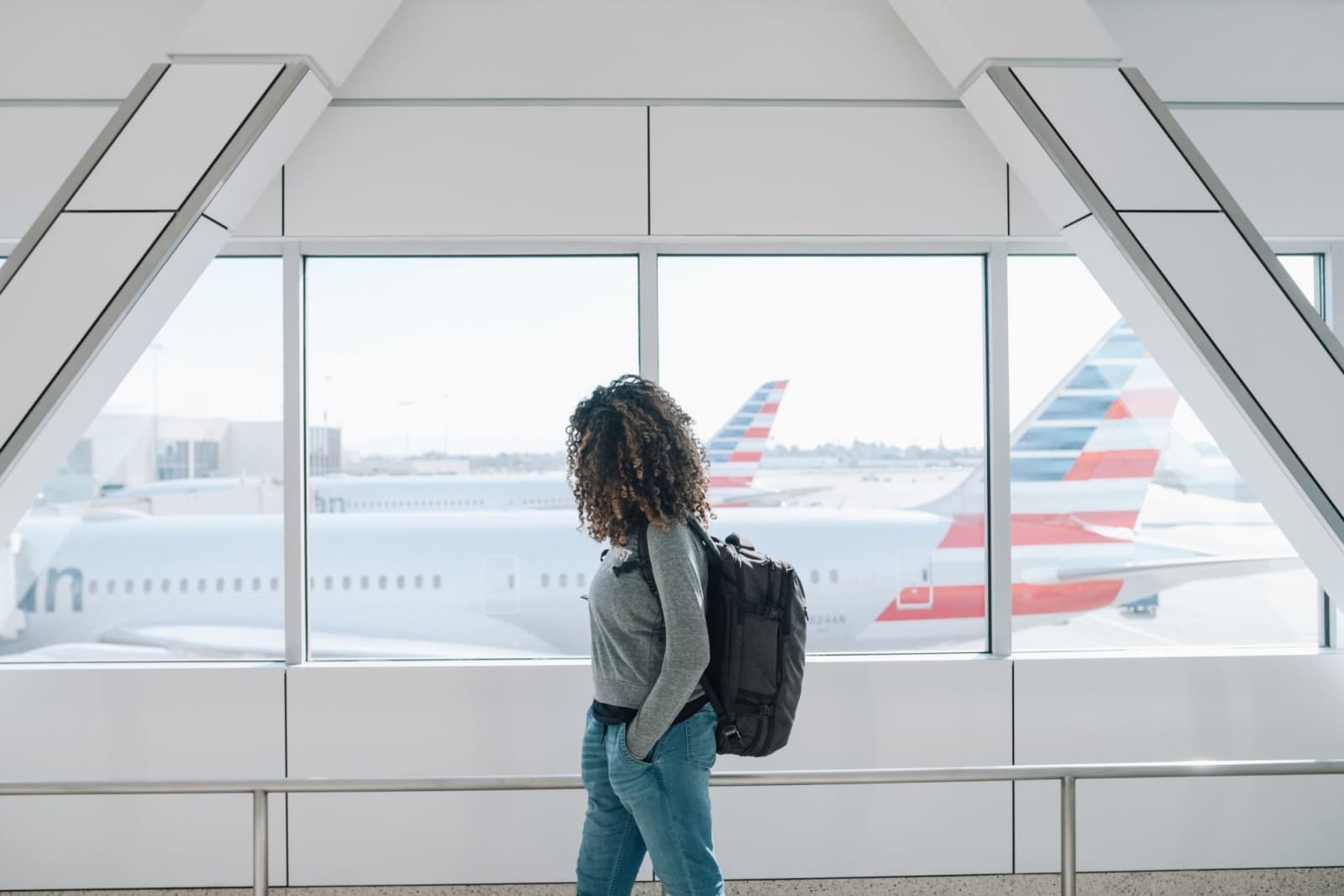
A backpack can be a carry-on, a personal item, or checked luggage. It all depends on the size.

Nick Reed
TravelFreak Writer
Packing Tips
Successful packing starts long before you open your suitcase. Planning ahead is crucial, and it all begins with a well-thought-out packing list.
Creating a packing list might seem like an extra step, but trust me, it's important. It ensures you don't forget any essentials and helps prevent over-packing.
I like to start my list about a week before my trip, jotting down items as they come to mind. This gives me time to remember those easily forgotten items like chargers, medications, or specific gear I might need.
Consider the length of your stay, the climate of your destination, and the activities you have planned. A weekend city break will require a very different packing strategy compared to a two-week beach vacation or a mountain trekking adventure.
I can’t stress enough how critical it is to buy the right luggage. Your luggage is one of the most important pieces of travel gear—it can make your journey smooth and enjoyable, or it can be a constant source of frustration. I learned this the hard way when I had not just one, but two spinner suitcases break during six months traveling in Europe.
First, consider the type of traveler you are and the kinds of trips you usually take. If you're a frequent flier who likes to zip through airports, a carry-on suitcase might be your best bet. These glide effortlessly beside you, saving your arms and shoulders from strain.
On the other hand, if you're more of an adventurous traveler, a travel backpack could be ideal. Backpacks are much better if you’re covering less manicured terrain.
Regardless of the style, opt for luggage that's durable and lightweight. Look for materials like polycarbonate for hard-shell suitcases or high-quality, water-resistant fabrics for soft-sided bags.
When it comes to choosing the best travel clothing, the mantra "less is more" couldn't be more true. The secret to packing light without sacrificing style is to bring versatile pieces that can be mixed and matched to create multiple outfits.
I like to choose clothing colors that all go together so I can combine them in different ways. Neutral colors like gray, black, white, and browns are always safe bets, but feel free to add in some color.
Here's a pro tip: think in terms of outfits rather than individual pieces. Before you pack an item, ask yourself, "Can I wear this at least three different ways?" If the answer is yes, it's probably a good candidate for your suitcase.
Some versatile pieces to consider include:
By packing items that work well together, you'll have plenty of outfit options without overstuffing your luggage.
The fabrics you choose can make a big difference in your comfort and the efficiency of your packing. When selecting clothes for travel, look for lightweight, breathable, and wrinkle-resistant fabrics.
Synthetic fabrics like polyester, nylon, and spandex blends are excellent choices. They're lightweight, quick-drying, and often wrinkle-resistant. Plus, they tend to be more durable and stain-resistant than natural fibers.
But if you really want to up your travel fabric game, I highly recommend investing in merino wool clothing. Trust me on this one. Merino wool is the ultimate travel fabric, and here's why:
It's comfortable in both cool and warm weather, and it wicks moisture away and dries quickly. It's also naturally odor-resistant, meaning you can wear it multiple times between washes.
I've worn merino wool t-shirts for a week straight while traveling (don't judge!), and they still smelled relatively fresh. This means you can pack fewer clothes and do laundry less often—a win-win for efficient packing.
Other good fabric choices include:
By choosing the right fabrics, you can pack less, stay comfortable, and spend less time worrying about laundry and wrinkles during your trip.
Now that we've covered what clothing to pack, let's talk about how to pack it. You’ve likely heard this advice before, but I think it’s a great tip:
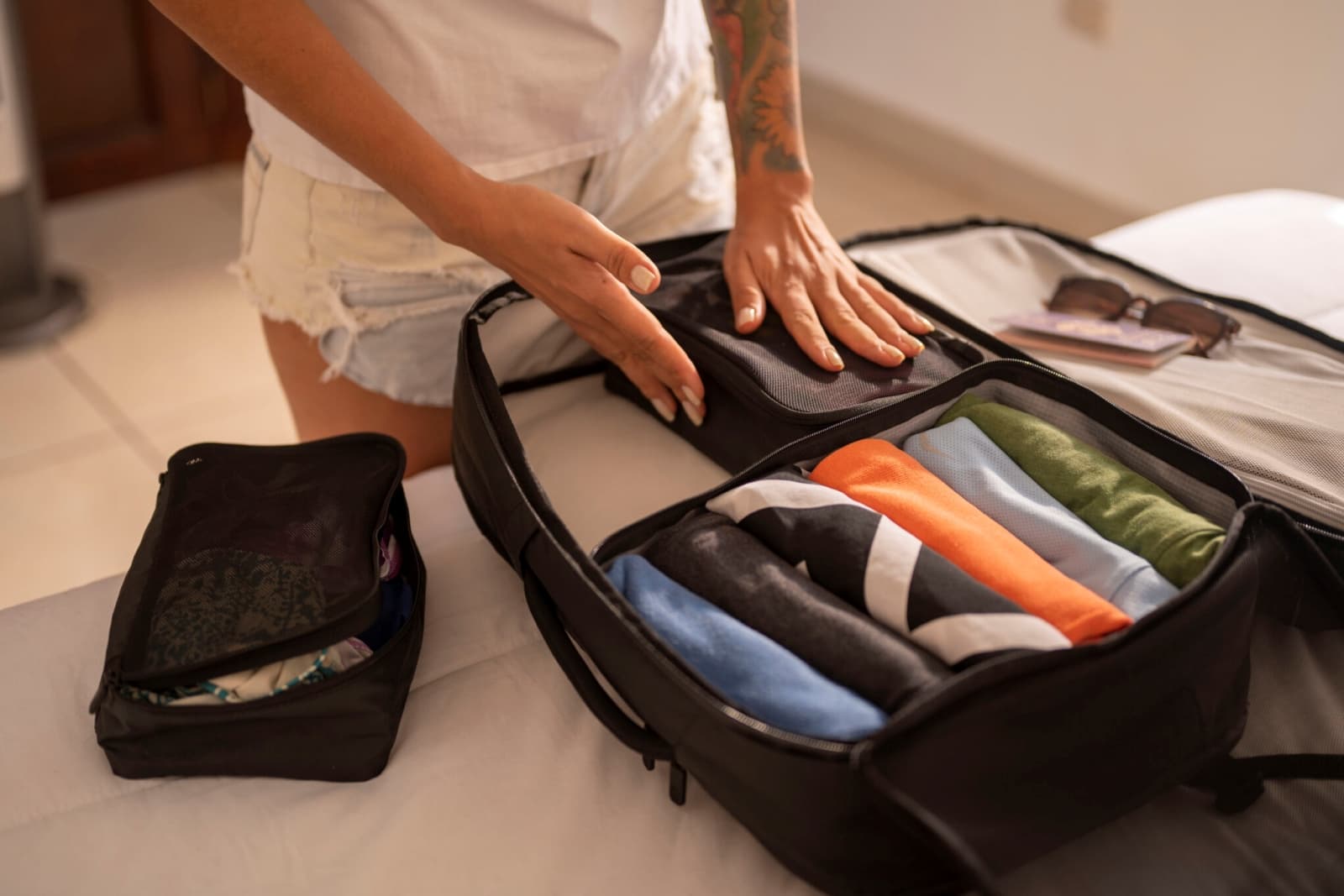
Instead of folding your clothes flat, try rolling them. This technique saves space in your luggage, helps prevent wrinkles, and makes it easier to see and access your clothes in your suitcase. I’ve been rolling clothes to pack for years, and I won’t ever go back to just folding.
Here's how to do it:
The roll method works particularly well for casual clothes like t-shirts, pants, and even underwear and socks.
For more structured items like blazers, dress shirts, or bulkier dresses, rolling doesn’t really work, so you’ll just fold these like normal.
One of the great things about rolled clothes is that they can be tucked into the nooks and crannies of your suitcase, maximizing every inch of space. Plus, when you arrive at your destination, you can simply unroll your clothes and hang them up, and most wrinkles will naturally fall out.
If there's one packing tool I swear by, it's packing cubes. If you aren’t using packing cubes, you really should try them. They’re like mini suitcases inside your suitcase, and they don’t cost much at all.
Packing cubes help you organize your belongings, maximize space, and keep everything tidy throughout your trip. Here's how to use them effectively:
Packing cubes not only help you organize your suitcase, but they also make unpacking and repacking a breeze. When you arrive at your destination, you can simply transfer the cubes to drawers or shelves, keeping your belongings organized throughout your stay.
For trips longer than about 5 days, I definitely recommend doing laundry mid-trip rather than trying to pack enough clothing for the entire time.
I’ve done laundry in three different ways during my trips: going to a laundromat (which is affordable, but takes time out of the day), hotel laundry service (which is very convenient, but expensive and not available in every hotel), and hand-washing clothes in the sink (which is cheap, but a bit annoying).
Using a laundromat or hotel service is pretty straightforward. If you plan on using a laundromat, just make sure to bring coins and a small container of detergent or laundry sheets, since not all laundromats sell detergent.
I’ve also washed my clothes in a hotel sink more times than I can count (what can I say, I’m cheap), and I learned a few techniques
Once you get used to it, hand-washing really isn’t that bad.
Speaking of laundry, here's a simple tip that’s easy to overlook: pack a separate laundry bag. This is a small detail, but I quickly found how important it is to keep my clean and dirty clothes separate.
Ideally, choose a drawstring fabric bag that's lightweight and doesn't take up much space when empty. Look for one that's water-resistant and anti-microbial—this will help contain any odors and moisture from your dirty clothes.
If you don't want to buy a special laundry bag, a simple plastic bag can do in a pinch. However, I prefer a reusable fabric bag for sustainability reasons and because it's more durable.
Shoes are often the culprit of overpacking. It's tempting to want options, but shoes are bulky, heavy, and take up a lot of precious luggage space. That’s why I always recommend bringing fewer shoes. Seriously, do you really need that extra pair of court shoes when you’re already bringing dress shoes, running shoes, flip flops, sandals, and slippers?
The key is to choose shoes that are comfortable and can serve multiple purposes. The best travel shoes are extremely versatile. They are comfy enough for long days of walking or even hiking, but you can also dress them up for dinner. You can do most trips with just one do-it-all pair of shoes.
As a general rule, try to restrict yourself to 2-3 pairs of shoes max for most trips. You don’t really need more than that unless you’re participating in a fashion show. This might include:
When packing shoes, stuff them with socks or other small items to maximize space. You can also use shoe bags to keep the rest of your luggage clean.
When it comes to toiletries, size matters—especially if you're trying to pack light or stick to carry-on luggage.
Most airlines restrict liquids in carry-on bags to containers of 3.4 ounces (100ml) or less, all fitting into a single, clear, quart-sized bag. This might seem limiting, but it's actually a great opportunity to streamline your toiletry kit.
You can either buy travel-sized toiletries or transfer your standard toiletries into small reusable containers.
I’m particularly fond of solid toiletries like shampoo bars and solid deodorants because they don't count towards your liquid allowance, they last longer than their liquid counterparts, and there's no risk of spills in your luggage. Finding your suitcase full of shampoo is not a fun experience, believe me.
Remember, you can always buy toiletries at your destination if you run out or forget something. It’s not like you’re going to the middle of Siberia—unless, of course, you are going to the middle of Siberia. In that case, yes, definitely make sure you bring enough toiletries.
I just learned this tip recently, and I’m already fully on board. Instead of throwing everything into one big toiletry bag, consider compartmentalizing into several smaller bags.
Using smaller bags or pouches within your main toiletry bag can make a world of difference. You might have separate compartments for hair products, skincare items, dental hygiene, cosmetics, and medications.
This system has several benefits:
Clear or mesh pouches work well for this, as they allow you to see the contents easily. You can also use small ziplock bags in a pinch.
For medications, always keep them in their original containers with clear labels. It's a good idea to bring a copy of your prescriptions as well, especially when traveling internationally.
Even if you're checking a bag, you’ll want to have a carry-on or at least a personal item bag to keep essentials with you. Checked luggage gets lots more often than you would think. Your carry-on should contain all your essential items and at least one complete change of clothes.
Here's what I always make sure to have in my carry-on:
Having these items with you ensures that you can manage for a day or two even if your checked luggage doesn't arrive when you do. It gives you peace of mind and allows you to start enjoying your trip right away, rather than stressing about lost belongings.
Now, let's take the previous tip a step further. If you can manage it, traveling with only carry-on luggage or a travel backpack is the ultimate way to streamline your travel experience. It might seem challenging at first, but with practice, it's entirely doable for most trips.
Here's why I'm a big advocate for carry-on only travel:
To make carry-on only travel work, you'll need to employ all the packing tips we've discussed so far: choose versatile clothing, limit your shoes, use travel-sized toiletries, and pack efficiently using methods like rolling clothes and using packing cubes.
Of course, flying carry-on only won’t work for every person or for every trip. For longer trips, travels to multiple climates, or trips requiring special equipment, you might need to check a bag. But for most vacations, business trips, or weekend getaways, a well-packed carry-on can be all you need.
It doesn’t take a degree in physics to understand that a top-heavy suitcase is more likely to tip over. In the same way, a too top-heavy travel backpack makes you more likely to tip over.
When you pack, start by placing your heaviest items at the bottom of your bag, near the wheels if it's a rolling suitcase. This typically includes shoes, books, heavy coats, toiletry bags, and any other weighty items. This makes your suitcase or backpack more stable, and it makes it less likely for things to shift during travel.
After the heavy items, layer in your clothes, and then lighter items like scarves, undergarments, or that bag of potato chips you magically have room for can go on top. This makes them easy to access and prevents them from getting crushed.
Picture this: you're standing at the baggage carousel, watching a sea of nearly identical black suitcases go by. Suddenly, you're not so sure which one is yours.
I’ve been there before, anxiously looking at every luggage tag to see if it’s mine. I hate that, so I started wrapping bright duct tape or a colored handkerchief around the handle of my suitcase. That way, I could instantly spot it on the conveyor belt.
Here are some ways to make your luggage stand out:
Whatever method you choose, make sure it's something that won't easily fall off or get damaged during travel. And remember, while you want your luggage to be recognizable, you don't want it to be so flashy that it attracts unwanted attention.
Also, I recommend a photo of your luggage before you travel. This can be helpful if you need to describe your bag to airline staff in case it gets lost.
Staying hydrated is crucial when you're traveling, but buying bottled water at every turn can be expensive and environmentally unfriendly. That's why you should always pack a reusable water bottle, no matter where you’re traveling.
A good travel water bottle should be lightweight, durable, and easy to clean. I love the durable and insulated YETI Rambler Bottle.
There are many great options on the market, from simple plastic bottles to high-tech insulated ones. Some even come with built-in filters, which can be handy if you're traveling to places where tap water isn't safe to drink.
Remember to empty your water bottle before going through airport security, but keep it easily accessible so you can refill it once you're through.
It took a while for me to finally purchase a packable backpack, and now I never travel without one. I highly recommend the Matador Freerain 22. It collapses down to the size of a tennis ball, but it’s big enough to carry the essentials I want to keep with me.
A packable backpack is a very versatile piece of travel gear. It can serve as your personal item during flights, it can carry your stuff for day excursions at your destination, and it even gives you some extra space for taking home souvenirs.
Remember, this isn't meant to replace your main luggage—it's an additional tool to make your travels more convenient and flexible. It’s perfect if you’re exploring a new city, heading to the beach, or need an extra bag for shopping.
Getting to the airport with a too big or too heavy suitcase is a hassle. I’ve occasionally had to rearrange gear between multiple bags to balance the weight or scramble to get important items out of my carry-on because I was forced to check it.
No fun.
Now, I always double check my luggage size and weight before I fly, just to be safe.
Here's what you need to do:
Remember, some budget airlines have particularly strict luggage policies, so always double-check, even if you think you know the rules.
Once I have everything packed and ready to go, it's time for a final review. I always do this to make sure I’m carrying everything I need and, just as importantly, nothing I don’t. Here’s a good process for reviewing your gear before your trip:
Lay out everything you've packed and go through each item, asking yourself:
Be honest with yourself during this process. It's easy to justify bringing items "just in case," but more often than not, these items end up being dead weight in your luggage.
Remember, less is often more when it comes to travel. The lighter your luggage, the more mobile and flexible you'll be on your trip. Plus, having less stuff to manage means you can focus more on enjoying your travels.
If you're struggling to remove items, think about your past trips. Were there things you packed but never used? Use these experiences to inform your current packing decisions.
Our final tip brings us full circle to the concept of efficient packing: use a smaller bag. This might seem counterintuitive—surely a bigger bag means you can bring more stuff, right?
But here's the thing: people naturally tend to fill the space we have available. By intentionally choosing a smaller bag, you force yourself to pack more efficiently. That’s why this is our number one piece of advice for how to travel light.
Of course, the size of your bag should be appropriate for the length and nature of your trip. But in general, most people can get by with less than they think they need.
Remember, the goal isn't to make packing difficult or to deprive yourself of necessities. It's about being intentional with what you bring, so you can focus on the experiences of your trip rather than managing excessive luggage.
As a Manchester City fan, he made it his mission to catch matches at legendary stadiums from Camp Nou to the Etihad. But Nick's travels go beyond football. He's explored 20+ countries across Europe, Africa, and the Caribbean, always chasing authentic experiences over tourist traps. Nick lives by a simple rule: the best stories come from saying yes to the unexpected. And TravelFreak is his biggest yes yet.
A backpack can be a carry-on, a personal item, or checked luggage. It all depends on the size.
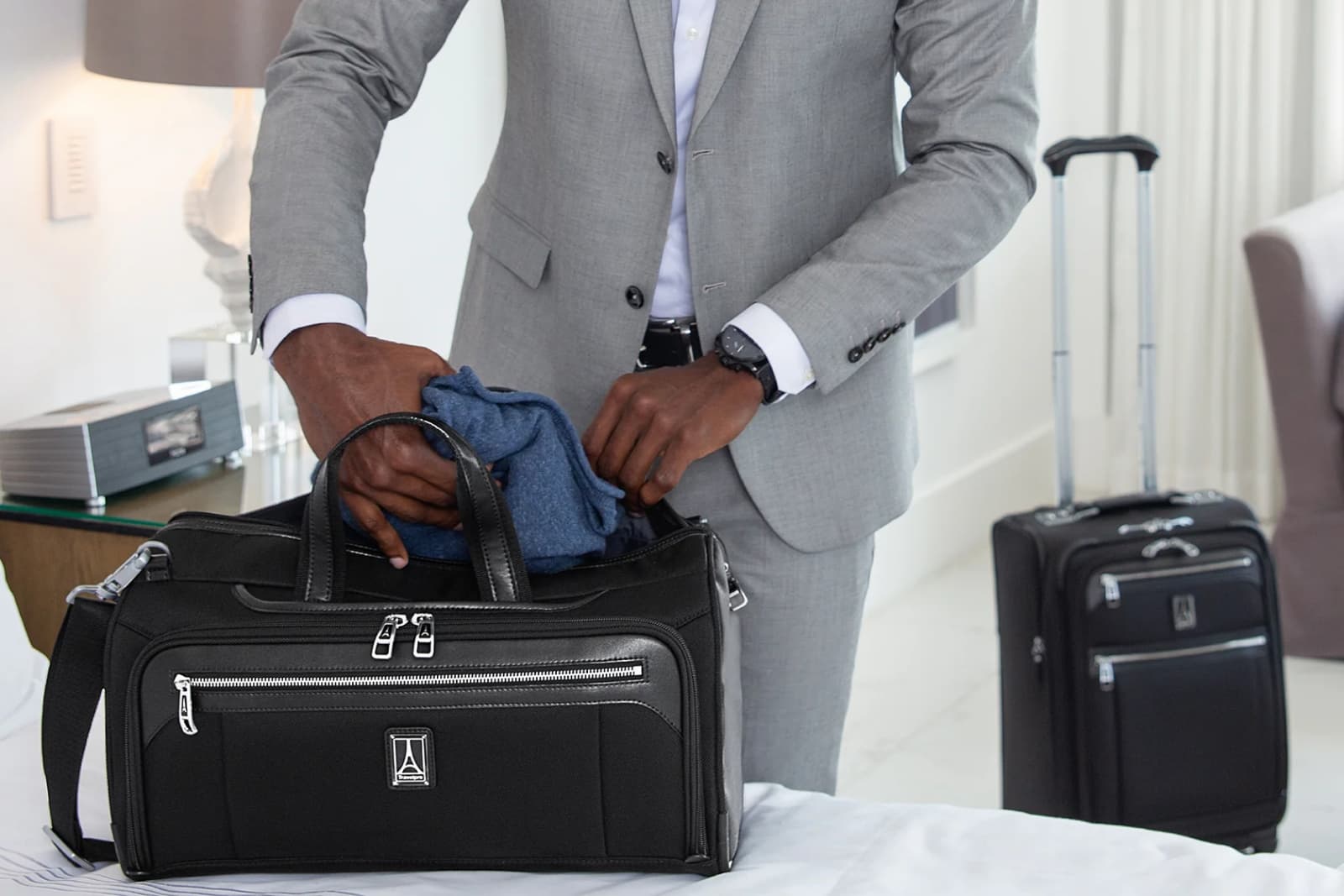
Carry-on luggage gets stowed away in the overhead compartment, while a personal item is a smaller bag that stays under the seat in front of you.
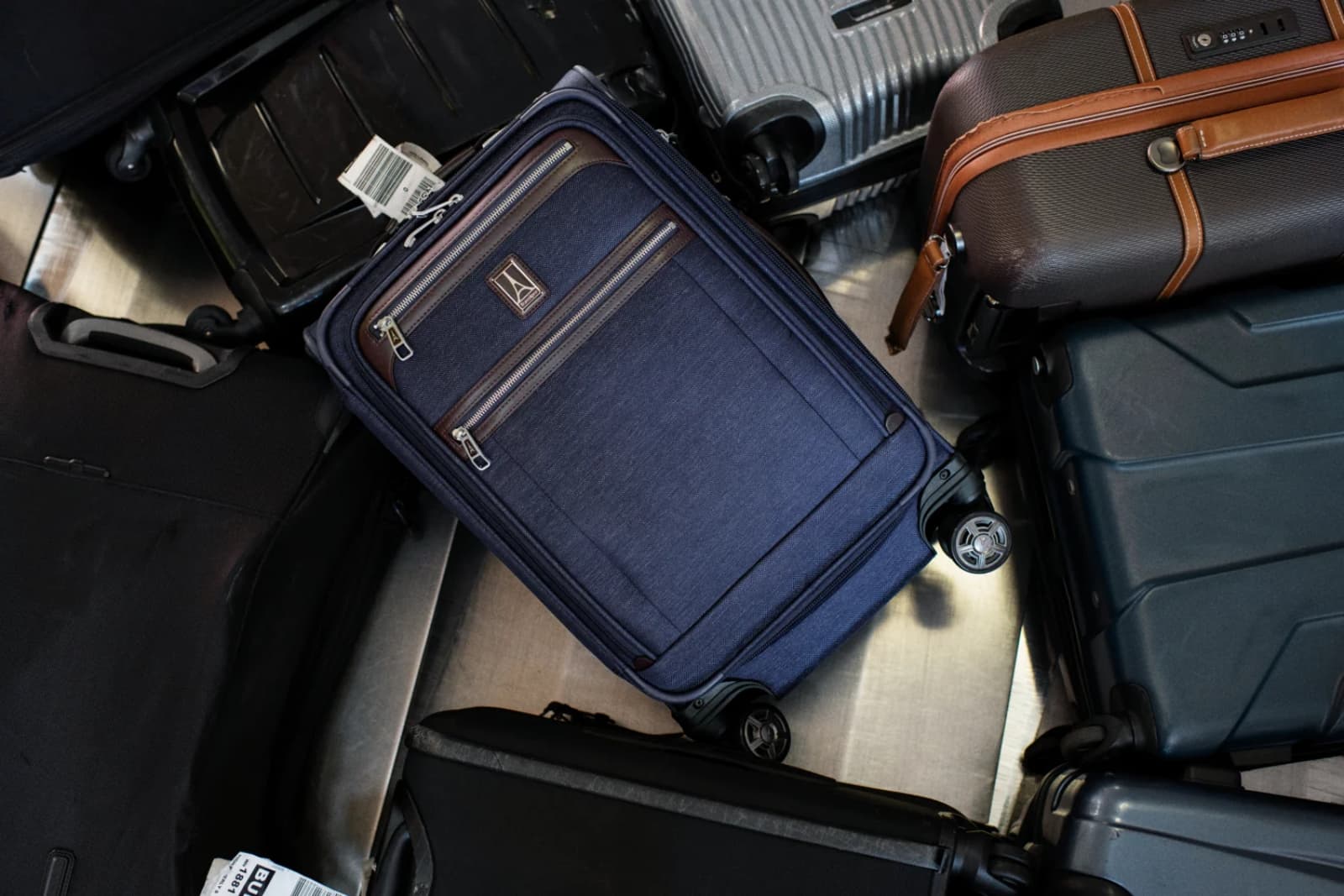
Weight limits for carry-on luggage can range from 11 to 40 lbs, depending on the airline. Do your homework to make sure your bag isn’t overweight.